By The Rider Elite Team
A competitive real estate market rewards sellers who are prepared and penalizes those who are not. The difference between a home that generates multiple strong offers in the first week and one that accumulates days-on-market is rarely the home itself, but the strategy behind the listing. In the Phoenix Valley, where buyer demand can move quickly, the sellers who achieve the strongest results are the ones who come to market fully ready (explore our guide on common mistakes home sellers should avoid). Here is how to position a home for success in a competitive environment.
Key Takeaways
- Pricing strategy in a competitive market is about identifying the number that generates the broadest pool of qualified buyers and the most competitive offer dynamic
- Presentation and marketing quality determine how much attention a listing captures in its first two weeks, which is consistently the highest-traffic window for any new listing
- Sellers who understand their priorities before offers arrive are better positioned to evaluate competing offers and make decisions that align with their actual goals
- Deep market knowledge directly affects pricing strategy, marketing timing, and negotiation outcomes
Price to Generate Demand, Not Just to Test the Market
In a competitive market, the instinct to price high and negotiate down is almost always counterproductive. The listings that generate the strongest outcomes in North Scottsdale and the broader Phoenix Valley are priced at or near market value from day one, not because sellers are leaving money on the table, but because accurate pricing is what creates the competitive dynamic that drives prices up (learn how to set the right price for your home in today's market).
When a home is priced correctly, qualified buyers recognize the value immediately. They schedule showings early, they come with urgency, and they often compete with other buyers who have the same reaction. That competition is what produces the outcome sellers are looking for.
How to Use Pricing Strategy in a Competitive Market
- Price based on recent closed comparable sales in your specific neighborhood
- Understand the appraisal implications of your price
- Consider the relationship between price and buyer pool size
- Work with your agent to understand current absorption rates and days-on-market for comparable homes in your area before settling on a number
Invest in Presentation and Marketing
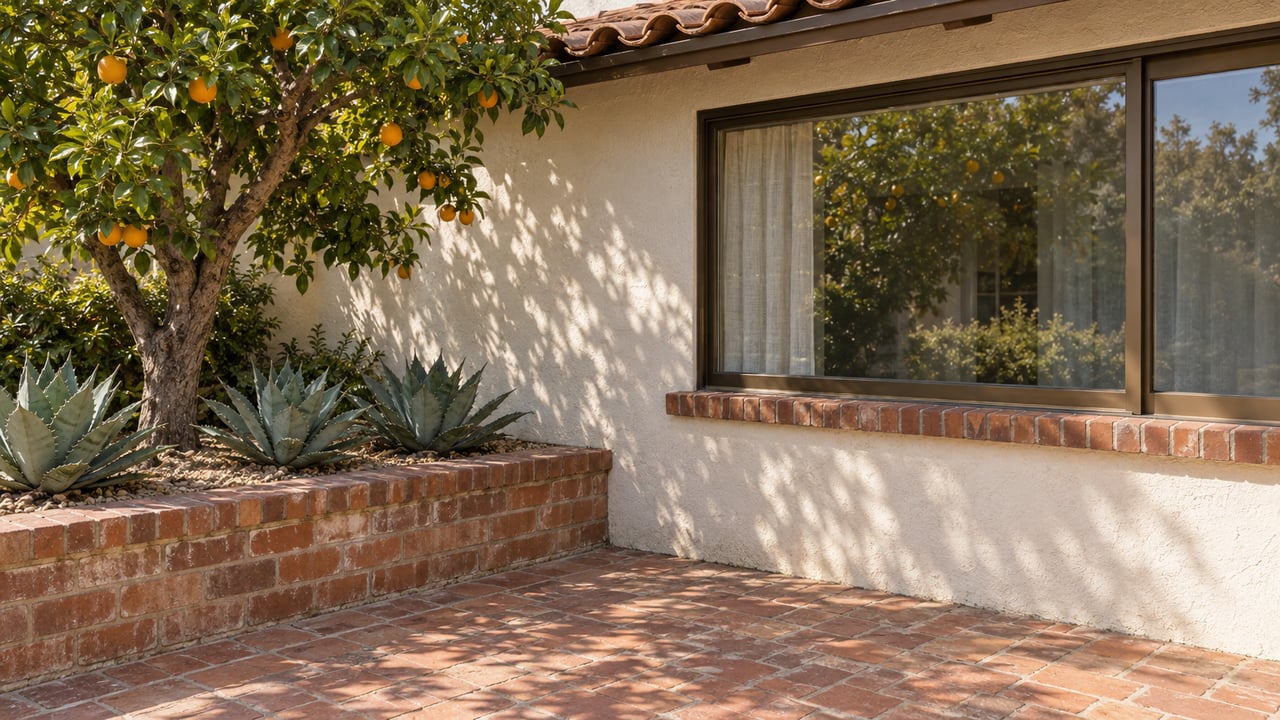
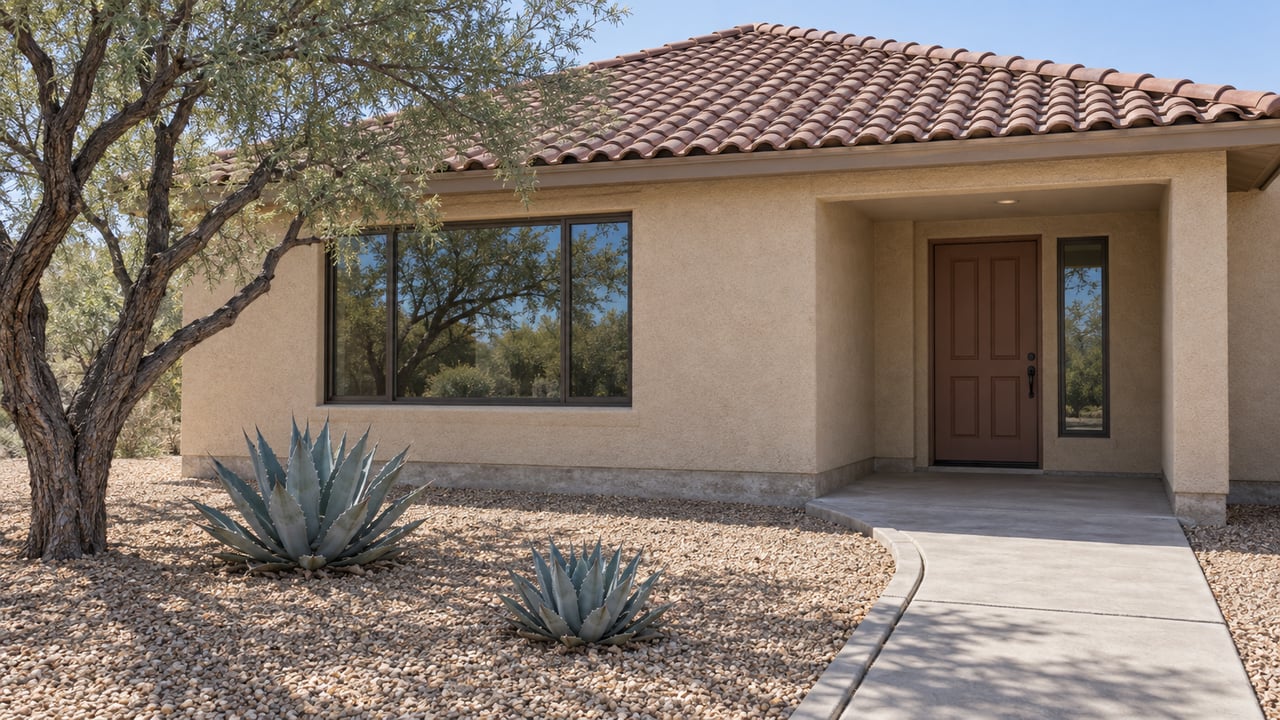
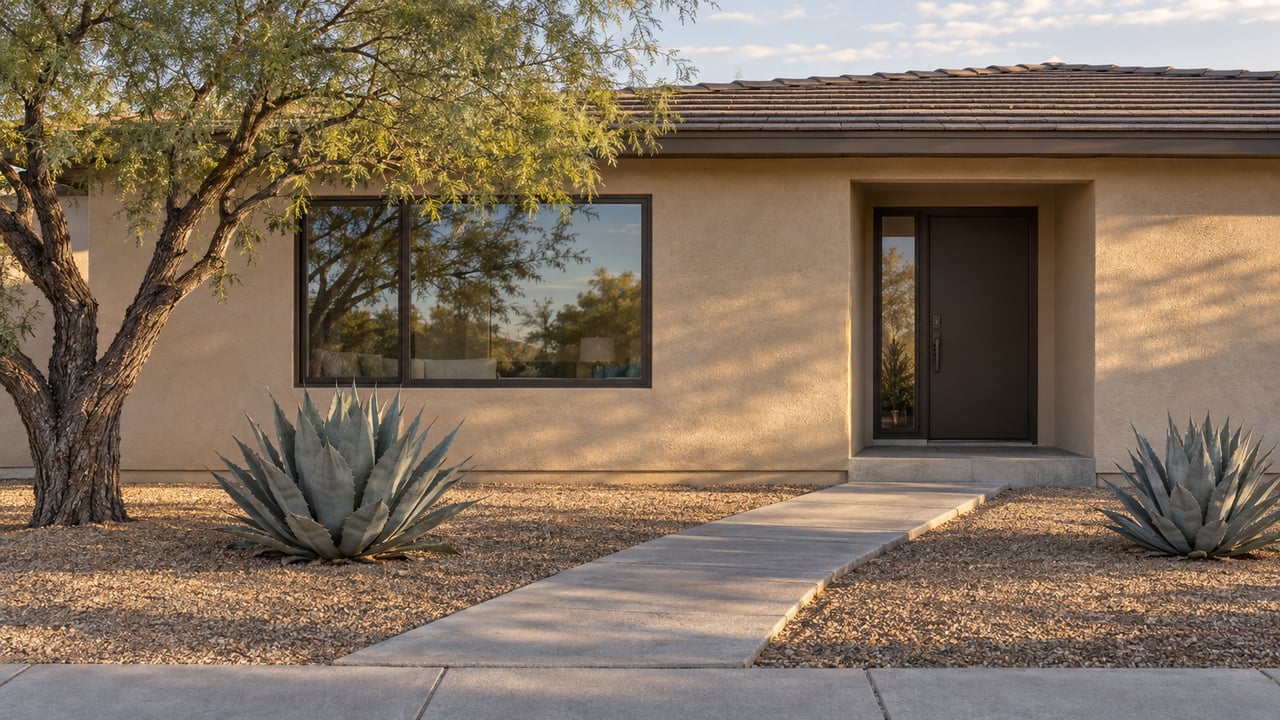
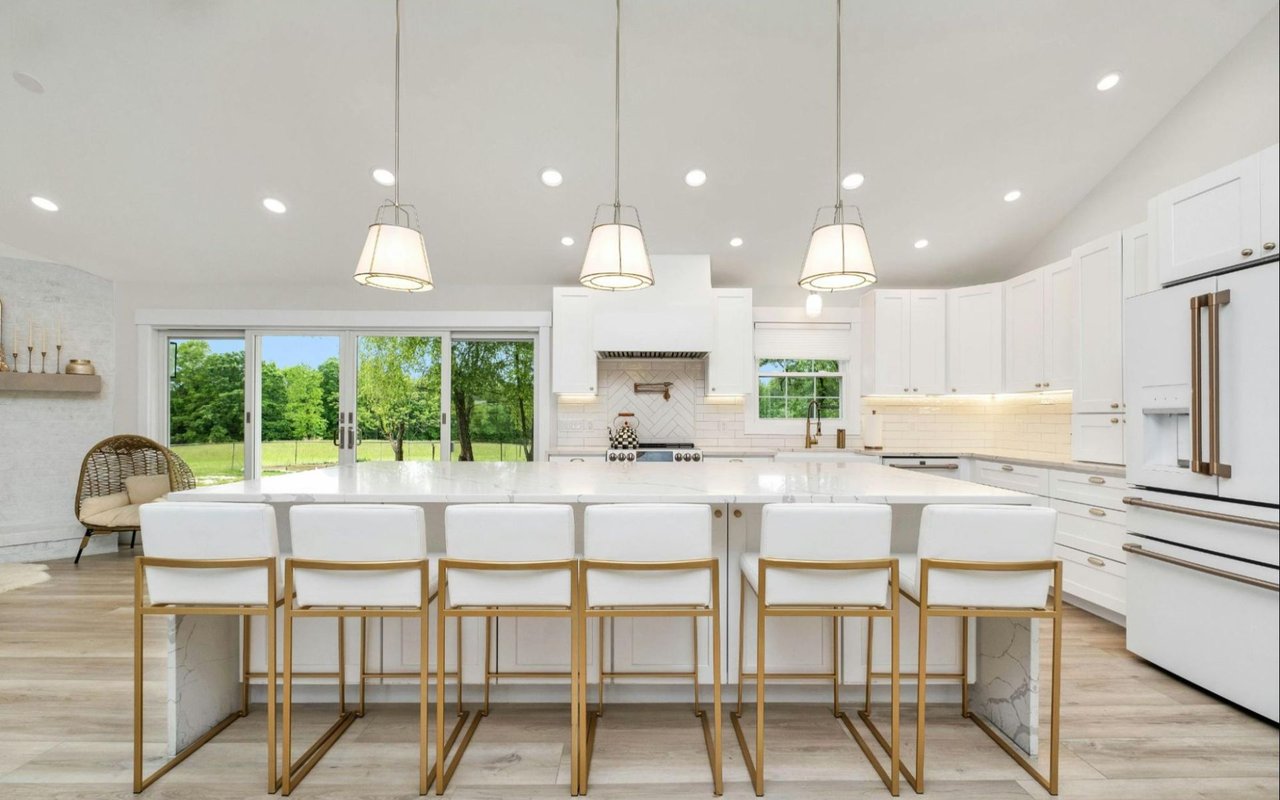
In the Phoenix Valley market, where buyers often relocate from California, the Pacific Northwest, and other markets and make decisions quickly, presentation quality is a direct driver of offer quality. A home that photographs beautifully and shows impeccably commands buyer attention in a way that a comparable home with mediocre presentation cannot (see 6 curb appeal hacks that make buyers fall in love and learn how to prepare for an open house that wows buyers).
The marketing window matters as much as the marketing itself. The first seven to fourteen days after a listing goes live are when buyer interest is highest. New listings pull in buyers who have been waiting for the right home and agents actively searching for ready clients. A home that hits the market at its best captures that wave. A home that needs time to get ready after listing has already burned through its highest-demand window.
What Strong Presentation and Marketing Requires
- Professional photography including drone photography where lot size or outdoor spaces warrant it
- Staging or furniture optimization that presents the home at its lifestyle potential (read our tips on how to declutter your home to sell)
- A pre-listing inspection to identify and address issues before buyers find them
- Maximum market exposure across MLS syndication, targeted digital advertising, and agent-to-agent outreach
Understand Your Priorities Before Offers Arrive
In a competitive market, offers can arrive quickly and sometimes simultaneously. Sellers who have not defined their priorities before that moment tend to evaluate offers reactively, without a clear framework for what actually matters most. Price is always relevant, but it is rarely the only factor that determines which offer produces the best outcome (read expert real estate negotiation strategies from an expert).
Closing date flexibility, the strength of the buyer's financing, the size of the earnest deposit, and the presence or absence of contingencies all factor into an offer's real value. A cash offer below the highest financed offer may be the stronger choice depending on the seller's timeline and risk tolerance. Knowing this before offers arrive is what allows sellers to evaluate rather than react.
How to Evaluate Competing Offers Strategically
- Define your non-negotiables before listing, including the minimum net proceeds you need, the closing timeline that works, and any specific terms that matter to you
- Evaluate financing strength carefully, as a pre-approval from an established lender with a verifiable track record carries more weight than a generic online pre-approval
- Assess contingency structure — a buyer who has waived the appraisal contingency or shortened the inspection period has removed execution risk that a less-prepared buyer represents
- Consider the earnest money deposit amount as a signal of the buyer's confidence and commitment to close
FAQs
How quickly should I expect offers in a competitive Phoenix Valley market?
In a well-priced and well-presented home, offers often arrive within the first week, and sometimes within the first few days. In a competitive situation, we advise sellers to set an offer review deadline that gives buyers time to submit their best offer while creating urgency and a defined timeline.
What should I do if my home receives only one offer in what I expected to be a competitive market?
A single offer is not necessarily a problem, as it may still be strong and from a well-qualified buyer. However, a single offer in a market where multiples were expected is often a pricing signal worth examining with your agent before responding.
Is it worth making improvements before listing in a competitive market?
Targeted improvements almost always pay off, specifically those that address visible deferred maintenance, update dated finishes, or improve outdoor spaces in ways that photograph well. In a competitive market, presentation quality separates listings that generate urgency from those that generate interest without action.
Contact The Rider Elite Team Today
Selling in a competitive market means every decision, from pricing to presentation to negotiation, has a direct impact on your outcome. We bring the strategy, the marketing, and the market knowledge to position our sellers for the strongest possible result across every community we serve (read our essential guide to selling your house in North Scottsdale). Reach out through The Rider Elite Team, request a complimentary instant home valuation, or contact us today to get started.
Related Blog Posts
- Common Mistakes Home Sellers Should Avoid
- How to Set the Right Price for Your Home in Today's Market
- Essential Guide to Selling Your House in North Scottsdale, AZ
- 6 Curb Appeal Hacks That Make Buyers Fall in Love
- How to Prepare for an Open House That Wows Buyers
- How to Declutter Your Home to Sell
- Real Estate Negotiation Strategies from an Expert